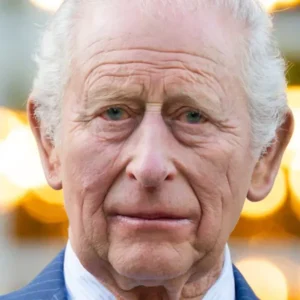
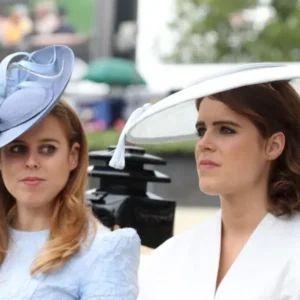
In the tranquil, rolling countryside of the Cotswolds, where ancient stone cottages nestle into mist-laden valleys, a quiet family homecoming recently captured the fascination of the world. Prince Harry and Meghan Markle, accompanied by their young children, Prince Archie and Princess Lilibet, returned to British soil to establish a new chapter of their lives. Yet, beneath the serene surface of rural English life, the vast and intricate machinery of the British monarchy was quietly turning. The family’s return inevitably sparked a wave of public intrigue, prompting questions about how two distinct worlds—that of global media figures and that of an ancient constitutional monarchy—could co-exist within the same realm.
The answer arrived not through unofficial rumors, but through a formal, historic communication issued on the direct instruction of King Charles III. The letter, drafted by the Lord Chamberlain, made it explicitly clear that the Sussexes reside in the United Kingdom as private citizens, unable to perform official royal duties or use their “His and Her Royal Highness” titles. While the public initially viewed this as a decisive move by a reigning monarch, emerging reports suggest a far more compelling narrative unfolding behind palace doors. Whispers from royal observers and palace insiders indicate that the true driving force behind this firm boundary was none other than the heir apparent himself, Prince William.
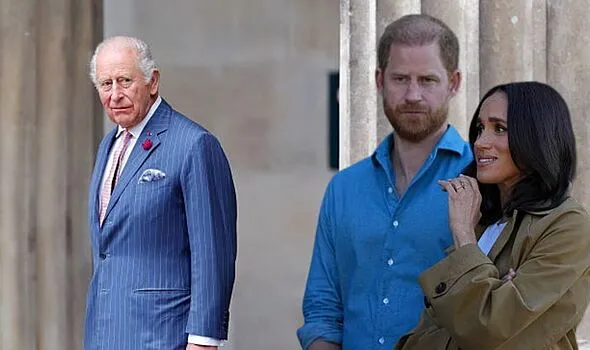
The Shadow of the Heir: Prince William and the Duty of Preservation
Throughout the storied history of the House of Windsor, the Prince of Wales has held a unique and formidable position. Far more than a title, the role of the heir apparent is that of the Crown’s ultimate custodian—a figure charged not only with supporting the current monarch, but with safeguarding the future of the institution for generations to come. As Prince William prepares for his eventual destiny, his vision for the monarchy has become increasingly clear, defined by unwavering discipline, institutional integrity, and an absolute commitment to public service.
When news of Harry and Meghan’s relocation back to the United Kingdom spread across civic channels, it generated significant uncertainty among regional authorities. Civic leaders, local officials, and Lord Lieutenants—the Sovereign’s official representatives in counties across the nation—found themselves seeking guidance on how to navigate formal protocols and public engagements. According to reports from royal journalist Rob Shuter, Prince William recognized that such ambiguity posed a direct threat to the clarity of the monarchy. Driven by a desire to protect the institution from endless speculation, the Prince of Wales reportedly pressed for a definitive, public declaration.
The philosophy guiding William’s intervention was described as strikingly straightforward: nothing had changed regarding the Sandringham agreement established years prior. In the eyes of the future king, the boundary between official state service and private enterprise must remain completely impermeable. By encouraging the issuance of the Lord Chamberlain’s letter, William subtly demonstrated the immense weight of his growing influence within the Royal Household, sending a clear signal that the stewardship of the monarchy’s future rests firmly in his hands.
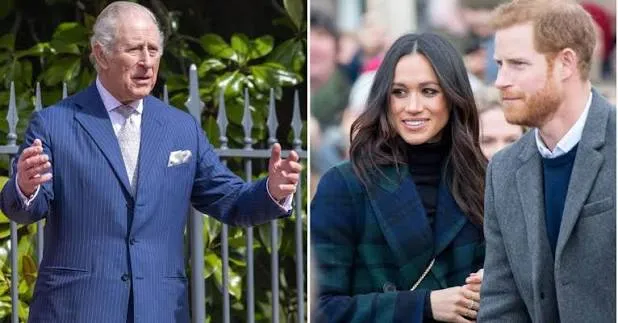
The Lord Chamberlain’s Directive and the Protocol of Clarity
To understand the institutional weight of the letter, one must look to the ancient traditions of the Lord Chamberlain’s office. Historically responsible for the administrative governance of the Royal Household, the Lord Chamberlain acts as the official voice of the Sovereign on matters of protocol and state precedence. When the letter was dispatched to over one hundred senior stakeholders across the United Kingdom, it was designed to serve as an authoritative operational guide, ensuring that public resources, official patronages, and state protocols remained strictly aligned with active working royals.
The declaration affirmed that while Prince Harry and Meghan are free to pursue their personal philanthropic and commercial endeavors, these activities are undertaken purely in a private capacity. The letter reiterated that their HRH styles remain in abeyance, preserved as historical artifacts of their former roles. For the Palace, this public reiteration was an act of transparency aimed at eliminating any misunderstanding among civic organizations and the wider public.
The release of the letter triggered a swift reaction from the Sussexes’ camp. A spokesperson for the couple expressed that they were “a little surprised” by the public announcement, claiming they had been caught off guard by its timing. However, palace sources quickly clarified that the communication had indeed been shared with the couple’s team prior to its public release, even if its contents were not open to negotiation. This subtle friction underscored a profound reality: within the formal architecture of the Crown, institutional clarity takes precedence over personal preference.
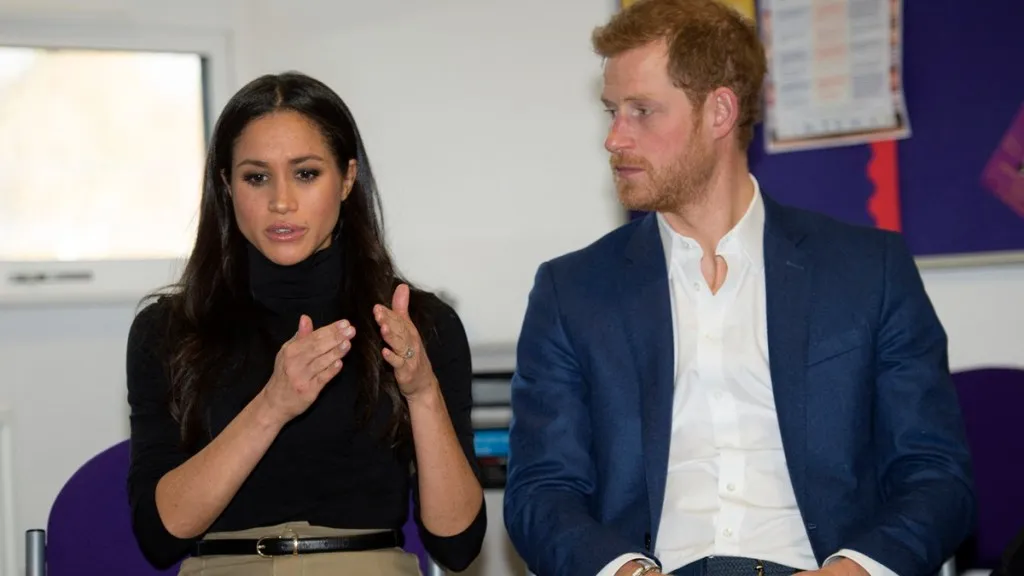
The Mythos of the Two Brothers: Duty, Exile, and the Unyielding Line
The dynamic between Prince William and Prince Harry has long captured the global imagination, evoking timeless archetypes found in classical literature and cultural folklore. It is a story of two brothers who walked side by side through extraordinary childhood tragedy, only to be drawn down vastly different paths by the unyielding demands of destiny and freedom. William’s life has been meticulously shaped by the solemn duty of the state, while Harry chose to step beyond the palace gates in search of personal autonomy and an independent legacy.
For Prince Harry and Meghan, the realization that William played a central role in framing the Lord Chamberlain’s letter marked a pivotal moment of clarity. It revealed the profound extent to which the Prince of Wales now shapes the strategic direction of the Royal Family. While King Charles maintains a warm, fatherly affection for his son and a deep desire to be a present grandfather to young Archie and Lilibet, the institutional boundary enforced by William remains unyielding.
This tension reflects a classic conflict between the personal hearth and the public throne. While the human heart longs for familial reconciliation, the preservation of a thousand-year-old constitutional institution demands cold consistency and clear boundaries. William’s decisive stance demonstrates that when the interests of the family conflict with the integrity of the Crown, the duty to the nation must always prevail. For the Sussexes, recognizing this reality means accepting that while they have returned to the physical landscape of Britain, their relationship with the royal institution has been permanently transformed.
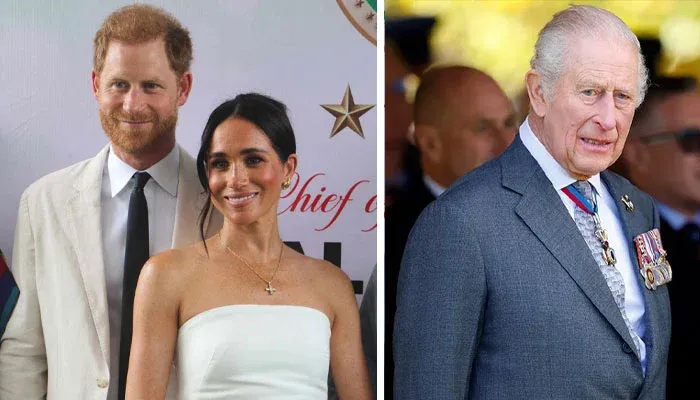
A Sanctuary in the Cotswolds and the Quiet Path Ahead
As the political and institutional dynamics settle, life for the Sussex family continues in the peaceful embrace of the Cotswolds. Far removed from the formal corridors of Buckingham Palace, the region offers a quiet sanctuary where seven-year-old Prince Archie and five-year-old Princess Lilibet can grow up surrounded by ancient woodlands, rolling meadows, and the gentle rhythms of rural British life. Enrolled in a local school, the young royals are experiencing a grounded upbringing rooted in nature and community, echoing the timeless rural traditions that have comforted generations of British historical figures.
For King Charles, the physical proximity of his grandchildren brings a welcome source of joy amidst his ongoing public duties and health recovery. The ability to build quiet, personal memories with Archie and Lilibet within the sanctuary of private family estates remains a deeply cherished priority for the monarch. This private warmth stands in gentle contrast to the formal boundaries set by the state, demonstrating that personal affection can endure even when institutional roles are strictly defined.
The story of the Lord Chamberlain’s letter and the unseen influence of Prince William ultimately offers a profound meditation on the nature of modern leadership, family, and tradition. It illustrates how the British monarchy continues to survive and adapt—not by compromising its foundational principles, but by clearly defining its boundaries in an evolving world. As Prince Harry and Meghan chart their course as private citizens in the English countryside, the Crown moves forward with steady, unwavering purpose, guided by an heir who understands that the true strength of royalty lies in its devotion to duty above all else.
How do you view the balance between personal family ties and the strict duties required to maintain historic institutions?