The Prince and Princess of Wales enjoy a peaceful life in the countryside with their three children, nestled in Adelaide Cottage, a picturesque four-bedroom home in Windsor’s Great Park. But this summer, an unexpected and potentially dangerous visitor has disrupted the serenity of the surrounding estate: the oak processionary moth (OPM).

What Is the Oak Processionary Moth?
First accidentally introduced to the UK in 2005, the oak processionary moth is considered an invasive species, posing health risks to humans and animals alike. It was first spotted in Windsor Great Park in 2018, and the infestation has steadily grown each year.
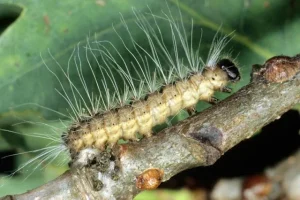
The larvae of this species—its caterpillars—are most active between May and July, coinciding with peak summer months when families, including the royals, are more likely to enjoy the outdoors. Their distinctive feature? Thousands of tiny toxic hairs that serve as a natural defense mechanism.
According to the official Windsor Great Park website, the hairs of the OPM caterpillars contain a chemical that can cause a host of uncomfortable and even dangerous symptoms in both humans and animals. These include:
-
Skin rashes
-
Eye irritations
-
Respiratory issues, such as sore throat or difficulty breathing

Public Health Warning Issued for Windsor Great Park Visitors
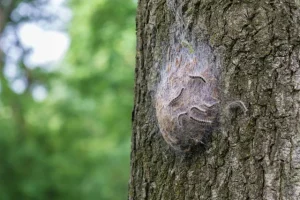
Park officials have posted clear warnings throughout Windsor Great Park, urging all visitors to avoid contact with the caterpillars and their distinctive silky nests, often found clumped on oak tree trunks and branches.
Pet owners, especially those walking dogs, are advised to be vigilant. Dogs that come into contact with the caterpillar hairs may suffer serious allergic reactions or respiratory distress. To minimize risk, the park recommends keeping dogs on a lead when near oak trees and avoiding walking directly beneath trees between May and July.
What Does This Mean for the Wales Family?
As longtime nature enthusiasts, Prince William and Princess Catherine are known to embrace the outdoors. Their children—Prince George, Princess Charlotte, and Prince Louis—often enjoy outside activities, making the news about the oak processionary moth infestation particularly relevant to the family’s safety.
Though their residence at Adelaide Cottage provides relative privacy within Windsor Great Park, the proximity to infested oak trees may prompt increased caution when the family ventures outside. With three young children and a family dog, exposure to OPM caterpillars could pose a real concern.
Fortunately, the family is believed to be well-informed about environmental issues and are likely to adhere to park guidelines to ensure their safety.

The Charm of Adelaide Cottage
Built in 1831 for Queen Adelaide, wife of King William IV, Adelaide Cottage stands out for its romantic architecture and rich royal history. The property features a pastel pink exterior, a charming contrast to the traditional grandeur often associated with royal estates.
Chris Harvey, an interior expert at Stelrad, highlights the cottage’s unique design elements:
-
French windows
-
Multiple fireplaces
-
A covered veranda
-
A porte cochère
-
Gingerbread trim details
Inside, the decor carries a nautical flair, including golden dolphin motifs and ceiling rope accents recycled from a 19th-century royal yacht. These features reflect a combination of tradition, whimsy, and sustainability, aligning well with the Wales family’s values.

Oak Processionary Moth: A Nationwide Problem
While Windsor Great Park has received significant attention due to its royal residents, the oak processionary moth has become a broader environmental concern across southern England, including areas like Greater London, Surrey, and Berkshire.
The UK government has issued nationwide guidance, urging local councils and landowners to monitor oak trees, report infestations, and limit human exposure.
The Forestry Commission has designated the species a risk to public health, especially in areas frequented by families, children, and pets. Removal of nests must be conducted by trained professionals, as improper handling may disperse the toxic hairs into the air.
How to Stay Safe
If you’re visiting Windsor Great Park—or any area with oak trees—here are key tips to stay safe:
-
Do not touch caterpillars or their nests.
-
Keep pets leashed, especially dogs.
-
Avoid lingering beneath oak trees during peak activity (May to July).
-
If symptoms develop after potential exposure (rash, breathing difficulty, eye irritation), seek medical attention promptly.
-
Report any sightings to local environmental authorities or through the Forestry Commission’s Tree Alert system.
Conclusion
The oak processionary moth may be small, but its presence in Windsor Great Park underscores how even natural beauty can hide unseen dangers. For the Prince and Princess of Wales and their family, staying safe this summer means combining their love of the outdoors with increased awareness and caution.
As environmental challenges continue to affect the UK’s green spaces, the situation in Windsor reminds us all of the importance of vigilance, public education, and environmental responsibility—even when you’re royalty.