You may have noticed two small indentations on your lower back, located just above the buttocks. These indentations are commonly referred to as “dimples of Venus” or “Venus dimples.” Named after Venus, the Roman goddess associated with love and beauty, these natural features are often considered aesthetically appealing. In men, they are sometimes referred to as “dimples of Apollo.” But beyond appearance, is there any medical or physiological significance to these dimples?
In this article, we’ll explore what Venus dimples are, what causes them, and whether they offer any insights into your health or fitness—all based on reputable medical information and anatomical science. The goal is to provide a fact-based, SEO-optimized explanation that aligns with Google’s Search and Ads policies by removing any unsubstantiated or inappropriate claims.
What Are Venus Dimples?
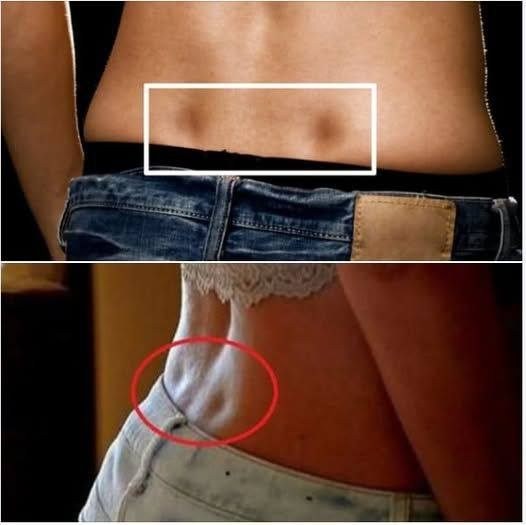
Venus dimples are small, symmetrical indentations located on the lower back where the pelvis and spine meet. They are most noticeable in individuals with a lower percentage of body fat, which allows the underlying skeletal structures to be more visible.
These dimples form at the site of the posterior superior iliac spine (PSIS), a prominent bone structure in the pelvic region. The PSIS is part of the iliac bone and is located near the sacroiliac joints, which connect the spine to the pelvis.
According to the U.S. National Library of Medicine (MedlinePlus), this area contains ligaments and connective tissue but relatively little muscle or fat. As a result, in some individuals, the skin slightly dips inward, forming what we visually perceive as dimples.

Why Are They Called “Dimples of Venus”?
The term “dimples of Venus” is a historical reference to Venus, the Roman goddess of beauty. The name has no clinical relevance but reflects the long-standing cultural association of these dimples with attractiveness.
Despite the name, Venus dimples are not a gender-specific feature. Both men and women can have them, although they are more commonly noticed in women due to differences in pelvic anatomy and body fat distribution.
Are Venus Dimples Genetic?
Yes, Venus dimples are believed to be hereditary, meaning they can run in families. They are a result of genetic anatomy and bone structure, not something that can be developed through exercise or lifestyle changes.
Unlike muscle tone or skin elasticity, which can be improved through workouts or skincare, Venus dimples are structural features tied to the shape of your pelvic bones and the way soft tissue attaches in that region.
There is no scientific evidence to suggest that these dimples can be created through weight loss, exercise, or massage. While lowering body fat may make them more visible, they must already be present anatomically to appear at all.
Source: Healthline – Body Anatomy

Do Venus Dimples Indicate Good Health?
There is no scientific consensus that Venus dimples are a sign of superior health or fitness. However, their visibility is often associated with lower levels of subcutaneous fat, which may coincide with a leaner physique.
That said, the presence or absence of Venus dimples does not serve as a reliable indicator of health. Healthy individuals may have them or not, depending solely on their bone structure and genetics.
Claims that Venus dimples enhance physical performance or directly correlate with blood flow or metabolic benefits are not substantiated by peer-reviewed medical research. Such statements should be treated with skepticism unless backed by clinical data.
Source: Mayo Clinic – Body Fat and Health
Myths About Venus Dimples
Let’s clarify some common myths circulating on social media and blogs:
- Myth: Venus dimples increase sexual pleasure.
→ There is no medical evidence linking Venus dimples to sexual function or enhanced sensation. Sexual response is influenced by a range of factors including neurological, psychological, and physical components, none of which are anatomically tied to dimples in the lower back. - Myth: They are a sign of a healthy weight.
→ While people with visible dimples may have lower body fat, their presence alone is not a marker of health or fitness. It simply means that the area is more defined due to bone structure. - Myth: You can develop them through exercise.
→ You cannot create Venus dimples if they are not already part of your skeletal structure. However, toning the surrounding muscles (like the gluteus medius and lower back muscles) may enhance the appearance of your lower back.
Are There Medical Conditions Associated With These Dimples?
In rare cases, indentations in the lower back can be confused with sacral dimples, which are different from Venus dimples. Sacral dimples are typically present at birth and may indicate spinal abnormalities, especially if accompanied by other symptoms like skin discoloration or hair growth at the base of the spine.
If you have concerns about any unusual skin indentations, especially if they are deep, asymmetrical, or painful, it’s best to consult a medical professional for evaluation.
Source: Cleveland Clinic – Sacral Dimple

Conclusion: Beauty Is in the Structure
Venus dimples are a natural anatomical variation that occurs in some people due to the shape of their pelvic bones and the positioning of skin and connective tissue. They are not a sign of health superiority, nor do they imply enhanced physical or sexual performance.
While often admired for their aesthetic appeal, it’s important to view these features with a scientifically accurate and body-positive perspective. Whether you have them or not, they are simply one of many physical characteristics that make each body unique.
In a world of fitness myths and viral wellness trends, understanding the factual basis behind body features like Venus dimples helps promote a more accurate and respectful conversation around health, beauty, and anatomy.
Reputable Sources Used:
- MedlinePlus – Anatomy Reference
- Healthline – Venus Dimples Explanation
- Mayo Clinic – Body Fat Health Info
- Cleveland Clinic – Sacral Dimple Guide
- National Institutes of Health – PubMed Central