Have you ever noticed that you bruise easily? You know what we mean. Those black and blue marks that look unsightly, and even after time turns them yellow, they aren’t any prettier. Not only do they look scary, but in some instances they can also be painful. And sometimes they’re a cause for concern because they may mean that you have an underlying medical problem, and it could be serious.
Today, we’ll explore why bruising happens, how you can prevent it, and when it might signal something more serious. And here’s a clue about one possible cause—some vitamin deficiencies might be playing a role.
What is Bruising?
Ecchymosis. That’s the medical term for bruising. It sounds as icky (that’s a non-medical term) as your bruises may look.
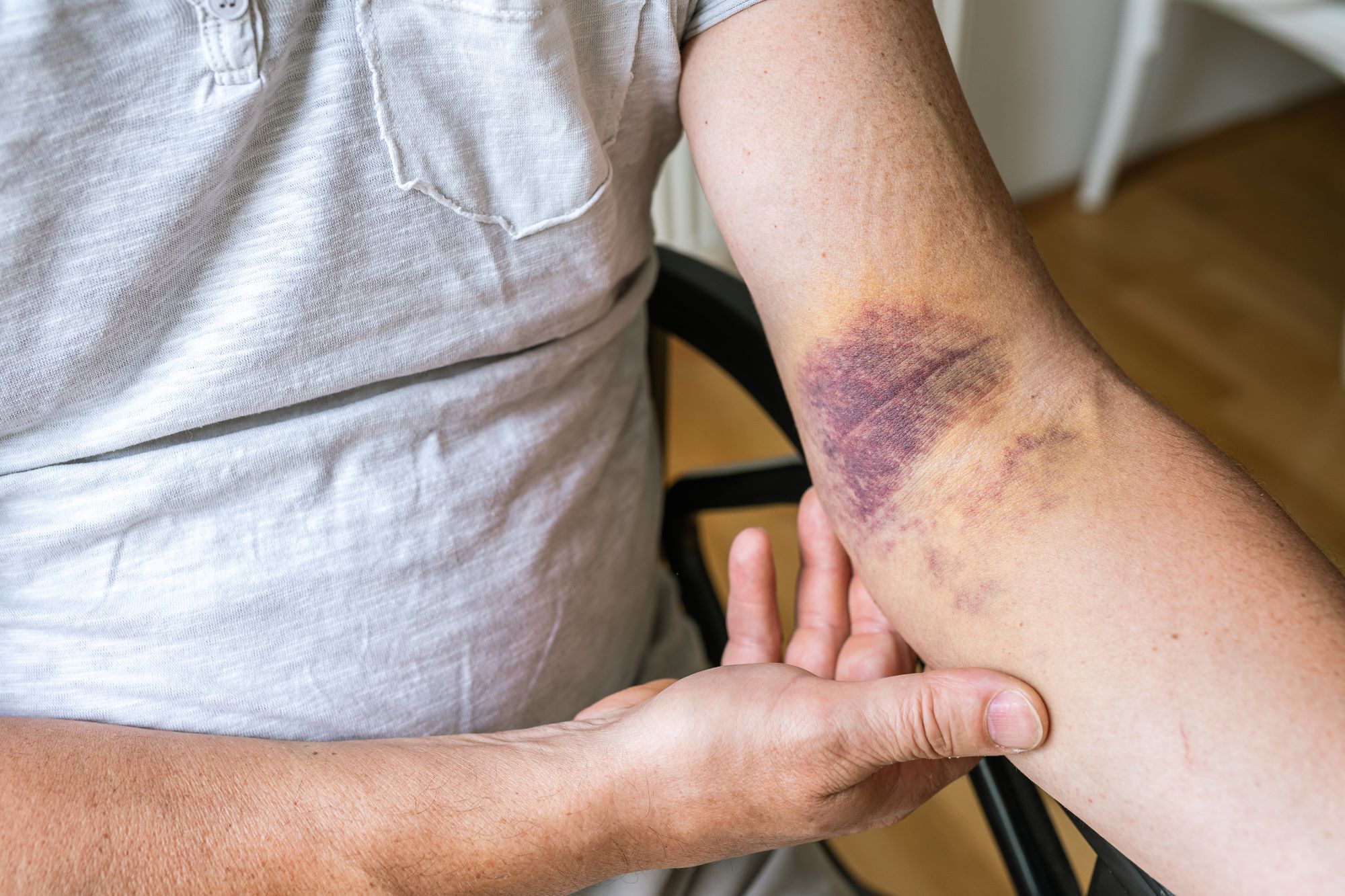
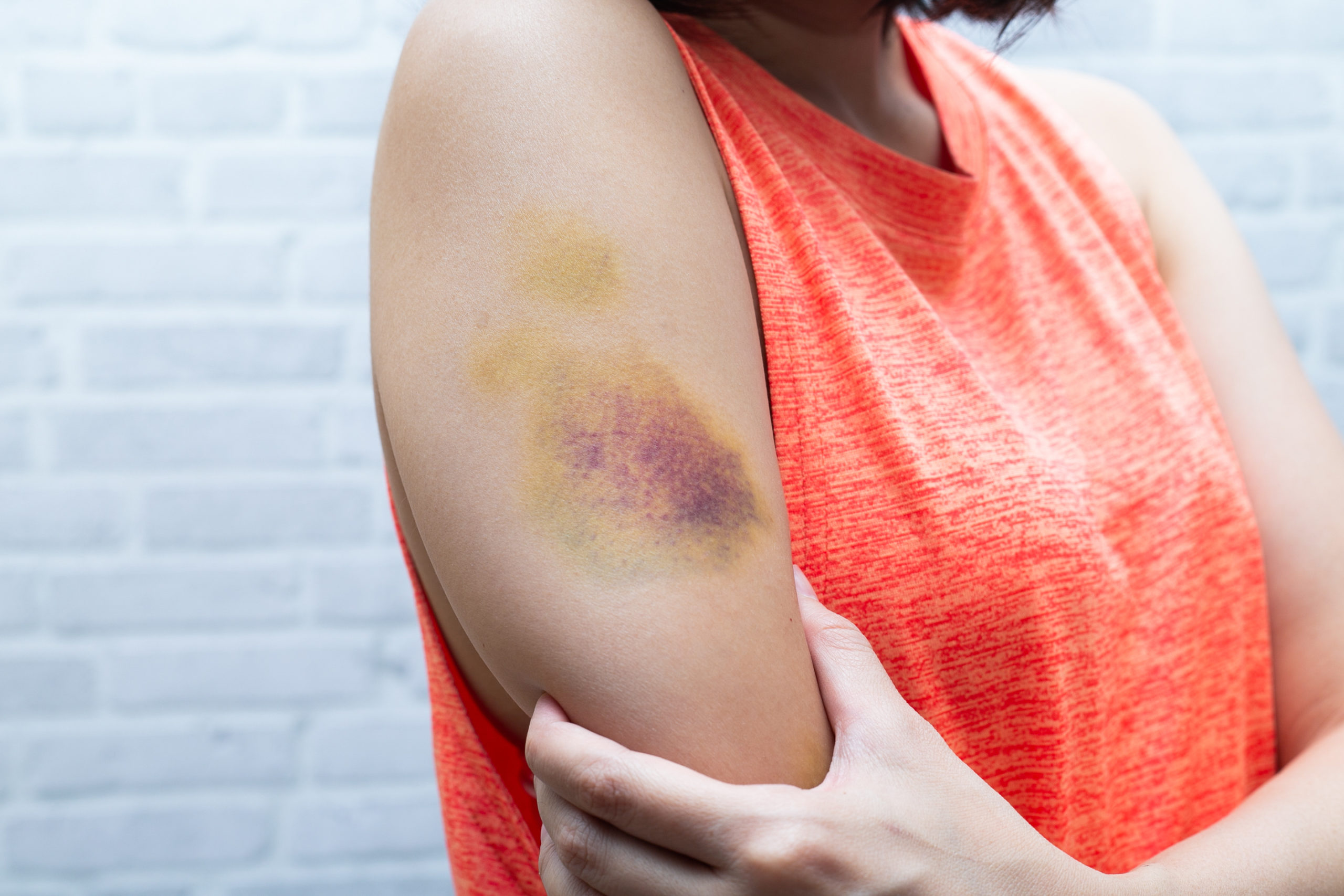
A bruise is what happens when small blood vessels burst underneath your skin’s surface, causing the blood to spill out from the capillaries and form a puddle just underneath the skin. Unlike cuts, where blood escapes the body, a bruise stays under the skin, changing colors as it heals—from red or blue to purple, then green or yellow, before finally disappearing.
Bruises is typically due to minor injuries—bumping into furniture, accidental impacts, or even a simple blood draw. However, some health conditions may make you more prone to bruising, even if they don’t directly cause it.
When Should You Be Concerned?
While bruises on the arms and legs are common and usually harmless, if they appear frequently, take longer than two weeks to heal, or show up in unusual places like the stomach, back of
Vitamin Deficiencies That Can Lead to Bruising
Vitamin C Deficiency
Vitamin C plays an important role in collagen production, which helps keep blood vessels strong. A lack of this vitamin can cause fragile vessels, making bruising more common. Foods high in vitamin C—such as tomatoes, citrus fruits, and broccoli—can help. Smokers, in particular, may be at higher risk of deficiency.
Vitamin K Deficiency
Vitamin K is essential for blood clotting. If you’re not getting enough, your blood may take longer to clot, leading to frequent bruises. This vitamin also helps strengthen capillary walls, reducing their likelihood of breaking.
Can a lack of Vitamin D lead to bruising?
We’ve blogged before about the some of the problems you might encounter if you’re low in some vitamins, such as vitamin D for instance. If you’re not getting enough vitamin D or some of the B vitamins, you may be making yourself more susceptible to bruising.
Other Supplements That May Increase Bruising
Some dietary supplements can thin the blood, making bruising more likely. These include:
Ginkgo, ginseng, ginger, and garlic
Omega-3 fatty acids
Vitamin E
Saw palmetto
In case you suspect your supplements are contributing to bruising, consider testing your vitamin levels and discussing possible adjustments with your doctor.
Other Causes of Frequent Bruising
Medications — If you’re on prescription blood thinners or regularly take aspirin or ibuprofen, your body might have trouble with blood clotting. In addition, steroids can make your skin more fragile and some antibiotics or antidepressants may also be the reason you’re more easily bruising.
Aging — you’ve heard of being thin-skinned? In this case, we’re not talking about having your feelings easily hurt. The fact is that as you age, your skin gets thinner as you lose the fatty layer underneath. Aging also causes your blood vessels to weaken.
Sun Damage – Years of sun exposure can weaken blood vessels, making the skin more prone to bruising.
Medical Conditions – Diabetes, blood disorders (such as hemophilia), blood cancers (like leukemia or lymphoma), and iron deficiency anemia can lead to increased bruising.
Contact Sports Injuries – Bruises, also known as contusions, are common in sports and can sometimes indicate deeper tissue damage.
How to Treat and Prevent Bruising
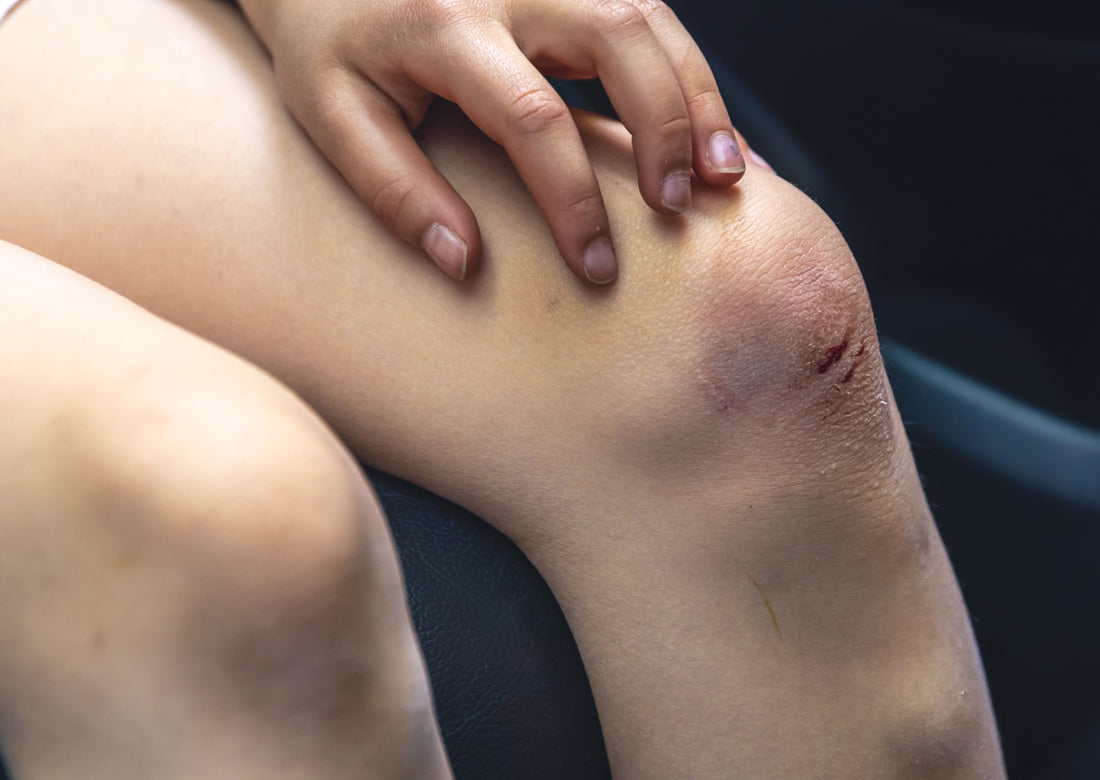
If you have a bruise, try the RICE method:
Rest – Avoid further strain on the area.
Ice – Apply an ice pack to reduce swelling.
Compression – Use a bandage if needed.
Elevation – Keep the affected area raised.
After some days, switch to heat therapy to help speed up healing. Over-the-counter pain relievers like acetaminophen can help, but be cautious with aspirin and ibuprofen, as they may worsen bruising.
In case falls are causing bruises, try improving your home’s lighting, removing trip hazards like throw rugs, and organizing electrical cords to prevent accidents.
If bruising seems linked to supplements, get tested to determine if any adjustments are necessary. And if you have thin skin, watch for signs of skin breaking, as open wounds increase the risk of infection.
When to See a Doctor
Most bruises are likely to heal on their own. But if yours are not going away or are happening more than you’d like, asking your doctor to help your figure out what is causing the bruising makes perfect sense. For instance, if you’re bruising because of your diabetes, it’s another reminder to test your glucose levels and manage those levels as best as possible.
If, in fact, your bruises are related to serious medical conditions, you’ll want to know that so you and your doctor can figure out the next steps.