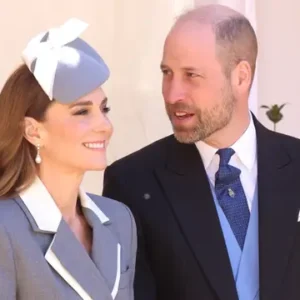
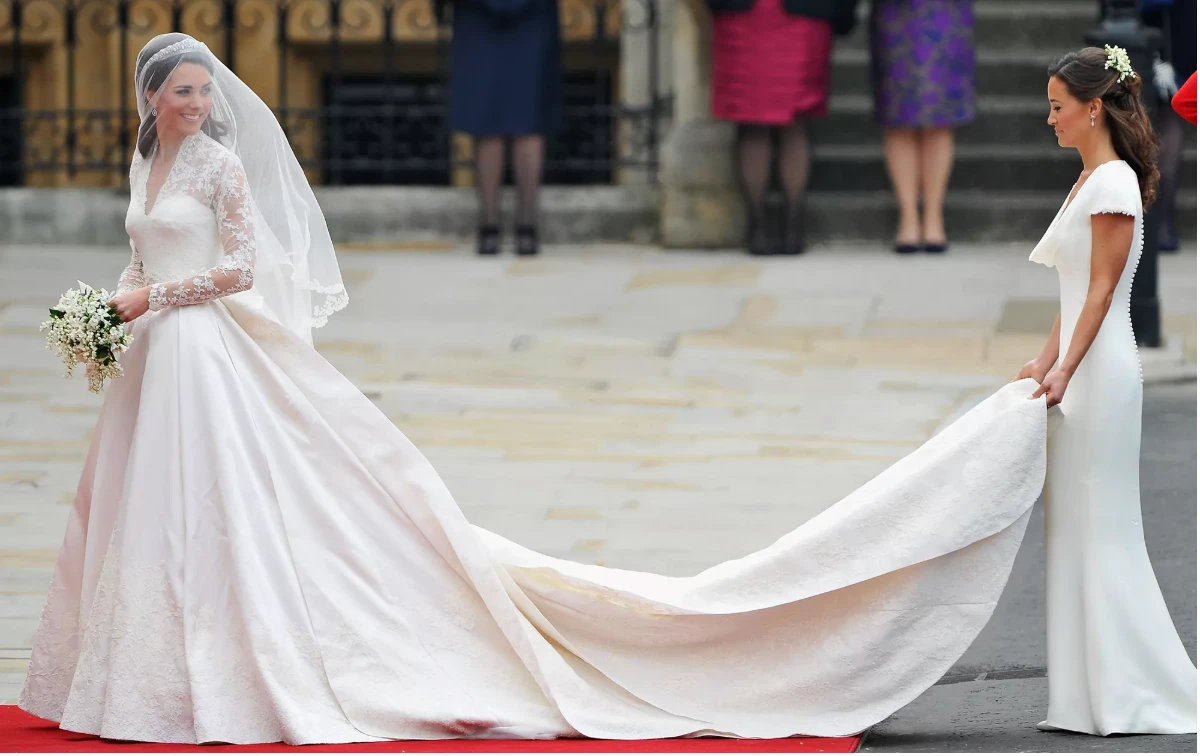
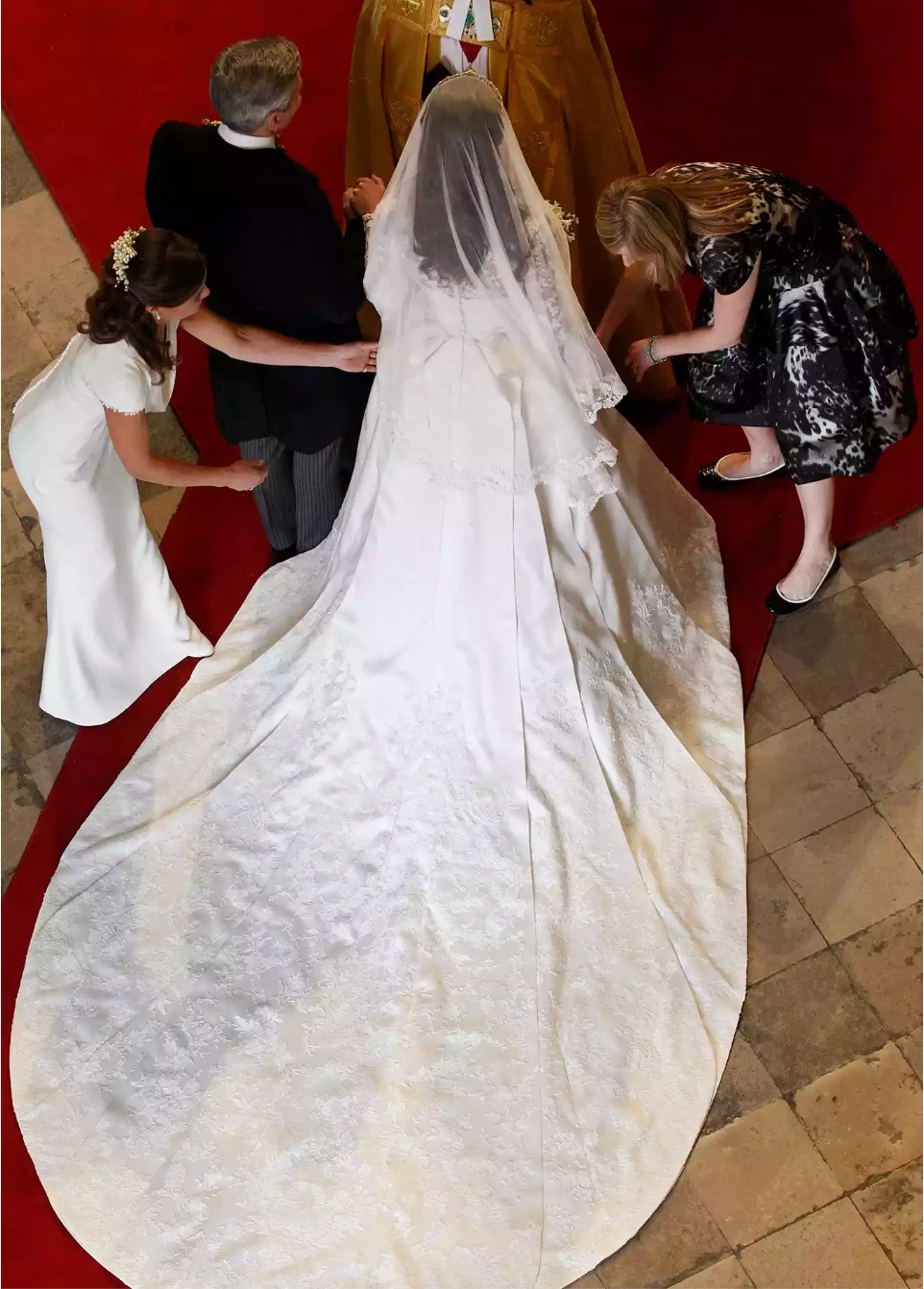
The bells of Westminster Abbey had barely ceased their rhythmic tolling on the morning of April 29, 2011, when a collective hush fell over the millions watching across the globe. As the heavy doors of the cathedral swung open, a new chapter in the thousand-year story of the British monarchy began to unfold. It was a day characterized by the weight of history—the same stone floors had witnessed the coronations and weddings of kings and queens for centuries—yet the air felt undeniably different. When Kate Middleton stepped onto the red carpet in her lace-sleeved gown, she wasn’t just a bride entering a cathedral; she was a catalyst for a subtle, profound transformation of an ancient institution. This was the moment tradition met the modern world, and the result was a cultural phenomenon that continues to resonate fifteen years later.
The Cultural Significance: A Myth for the Modern Age
In the realm of cultural anthropology, royal weddings often serve as a “living myth.” They provide a society with a sense of continuity and shared identity. The union of Prince William and Catherine Middleton, however, added a new layer to this narrative: the story of the “commoner” who becomes a princess. While Catherine came from a successful and supportive family, she did not carry a title by birth. In the symbolic language of monarchy, this was a revolutionary shift. It suggested that the “myth” of the crown was no longer an exclusive bloodline but an attainable, albeit extraordinary, path defined by merit, character, and love.
This shift has deep cultural roots. For centuries, royal marriages were strategic alliances designed to secure borders or consolidate power. By the 21st century, the “power” required by the monarchy had changed from military might to “soft power”—the ability to remain relevant and respected in a democratic society. The 2011 wedding acted as a grand rebranding. By incorporating “human” elements—such as a sister serving as a maid of honor and a groom who whispered to his brother in anticipation—the ceremony stripped away the icy veneer of the past and replaced it with a relatable warmth.
The Science of Symbolism: Why the Imagery Endures
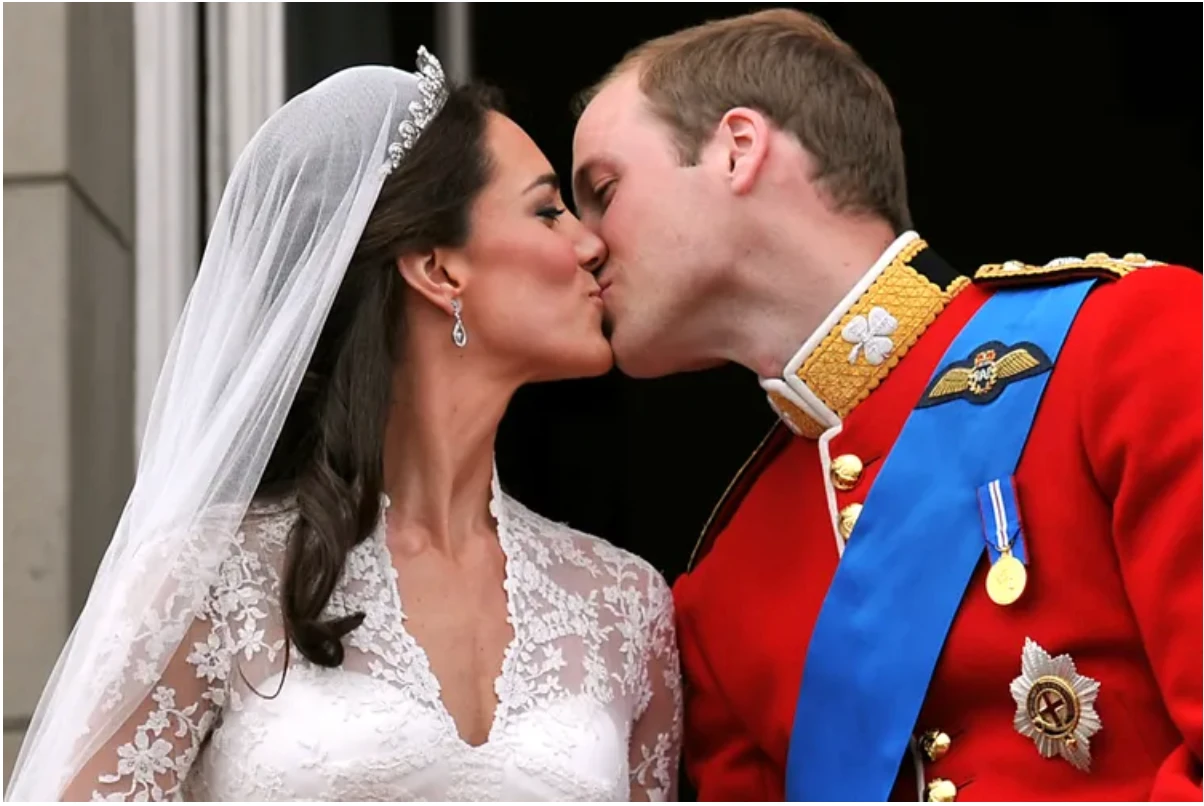
From a psychological perspective, the enduring power of the 2011 royal wedding can be explained through the science of “iconic imagery.” Humans are biologically wired to respond to symbols of unity and celebration. The image of the couple on the balcony of Buckingham Palace, sharing not one, but two kisses, triggered what psychologists call “prosocial emotions.” These are feelings of elevation and communal joy that strengthen social bonds.
Furthermore, the meticulous design of the wedding—from the Alexander McQueen gown to the floral arrangements—was an exercise in semiotics, the study of signs and symbols. The lace of Catherine’s dress featured the rose, thistle, daffodil, and shamrock, representing the four nations of the United Kingdom. This wasn’t just a fashion choice; it was a non-verbal communication of national unity. In a world of rapid change, these visual anchors provide a sense of stability. Scientists who study collective memory suggest that events of this scale create a “flashbulb memory,” where individuals remember exactly where they were when the event occurred, cementing the couple’s place in the global consciousness.
Behind the Grandeur: Extraordinary Details and Speculation
While the public saw a seamless production, the logistics behind the scenes were of an almost mythical scale. Speculation has long swirled about the “nerves of steel” required to manage an event with 1,900 physical guests and an estimated global audience of two billion. One of the most famous “behind-the-palace-walls” stories involves the wedding cake. Created by Fiona Cairns, the eight-tier fruitcake was so structurally significant that a door at Buckingham Palace reportedly had to be removed to facilitate its entry into the Picture Gallery.
There is also the matter of the “second dress,” a detail that has since sparked a trend in the global wedding industry. Catherine’s change into a sleek, strapless satin gown for the evening reception was more than a style choice; it was a signal of her transition from the “State” role of the morning to the “Private” role of the evening. This dual identity—the public figure versus the private individual—is a central theme in modern royal speculation. Observers often wonder how the couple balances the immense pressure of their roles with the normalcy they strive to provide for their three children: Prince George, Princess Charlotte, and Prince Louis.
The Evolution of a Royal Brand: From 2011 to 2026
Fifteen years have passed since that April morning, and the monarchy has navigated a sea of change. The “relatability” established on their wedding day has become the cornerstone of William and Catherine’s public work. They have focused on issues that were once considered “un-royal,” such as mental health awareness and early childhood development. This evolution is a direct result of the foundation laid in 2011. By choosing to lead with empathy rather than just authority, they have redefined the “job description” of a future King and Queen.
Scientific studies on institutional longevity suggest that organizations—even ancient ones like the British Crown—must adapt or disappear. The 2011 wedding was the first major evidence of this adaptation. By blending the cinematic quality of a historic carriage procession with the playful departure in a decorated Aston Martin, the couple proved that the monarchy could be both “magical” and “human.” In 2026, as they take on even greater responsibilities, that balance remains their greatest asset.
A Reflection on Human Curiosity
At its core, our fascination with the story of William and Catherine is a reflection of our own human curiosity. We are drawn to stories of transformation, duty, and the complexities of public life. We look at these grand ceremonies not just to see the jewels and the gowns, but to catch a glimpse of the real emotions beneath the surface—the whispered words, the nervous smiles, and the shared glances.
In an age of digital noise, the 2011 wedding stands as a rare moment of global synchronicity. It reminds us that, despite our differences, we are still moved by the timeless themes of love and the promise of a new beginning. As we look back fifteen years later, it is clear that the day didn’t just change the lives of two people; it offered a glimpse into the future of a storied institution, proving that even the oldest traditions can find a new heartbeat.
Sources and Reputable References
Westminster Abbey Official Archives: “Royal Weddings at the Abbey – A Historical Record.”
The Royal Household: “The Wedding of the Prince and Princess of Wales – Official Retrospective.”
Journal of Cultural Studies: “The Semiotics of Modern Royalty: A 15-Year Analysis.”
National Portrait Gallery: “Catherine, Princess of Wales: An Icon in Transition.”
British Fashion Council: “The Global Impact of the McQueen Wedding Gown on the Fashion Economy.”
How do you think the “relatability” established at their wedding has influenced the specific charitable causes the Prince and Princess of Wales have chosen to champion over the last decade?